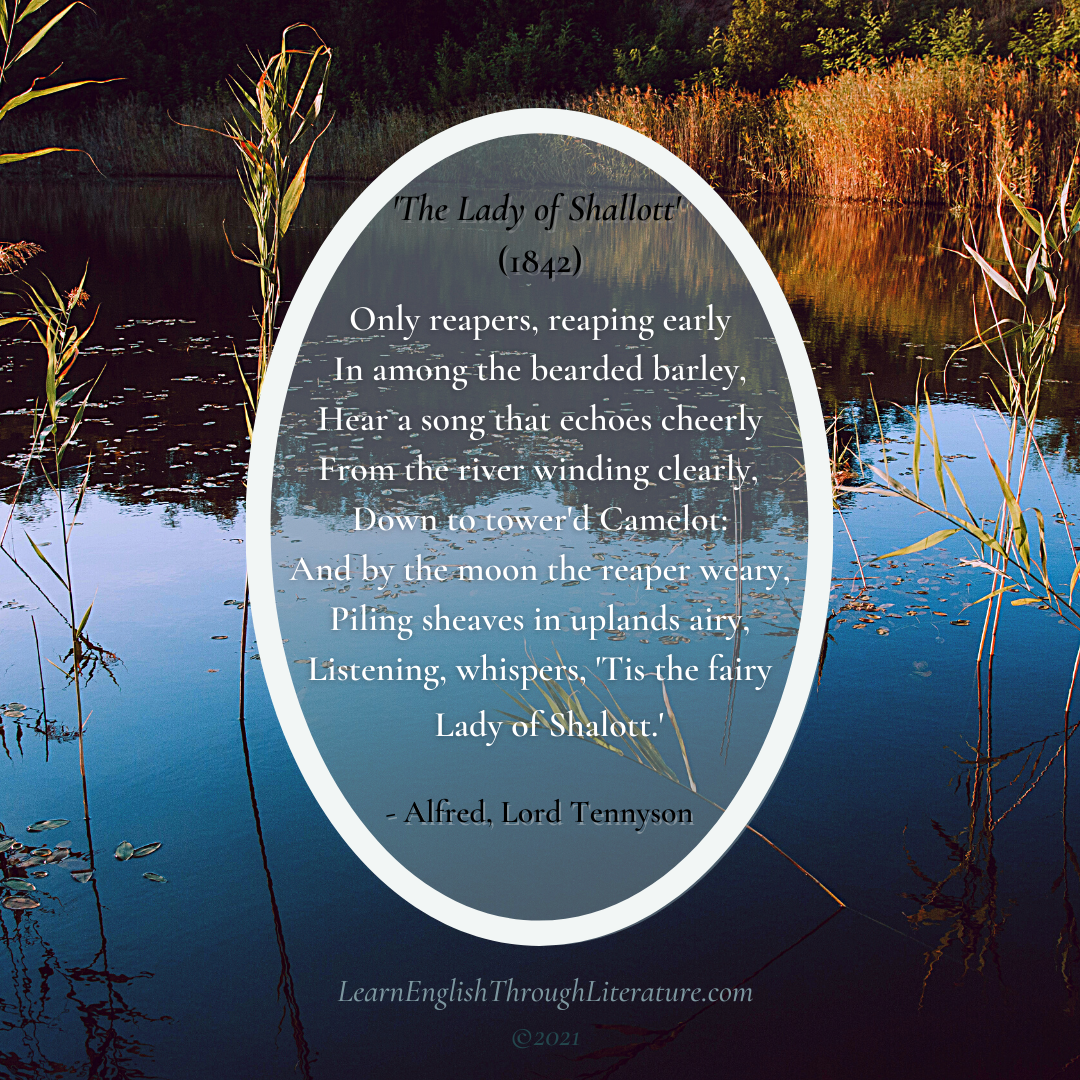
Lesson #163: Alfred, Lord Tennyson’s ‘The Lady of Shallott’
🖋️ How much have I looked forward to sharing today’s poem with you – Alfred, Lord Tennyson’s ‘The Lady of Shallott’ (1842 version). As a


🖋️ How much have I looked forward to sharing today’s poem with you – Alfred, Lord Tennyson’s ‘The Lady of Shallott’ (1842 version). As a
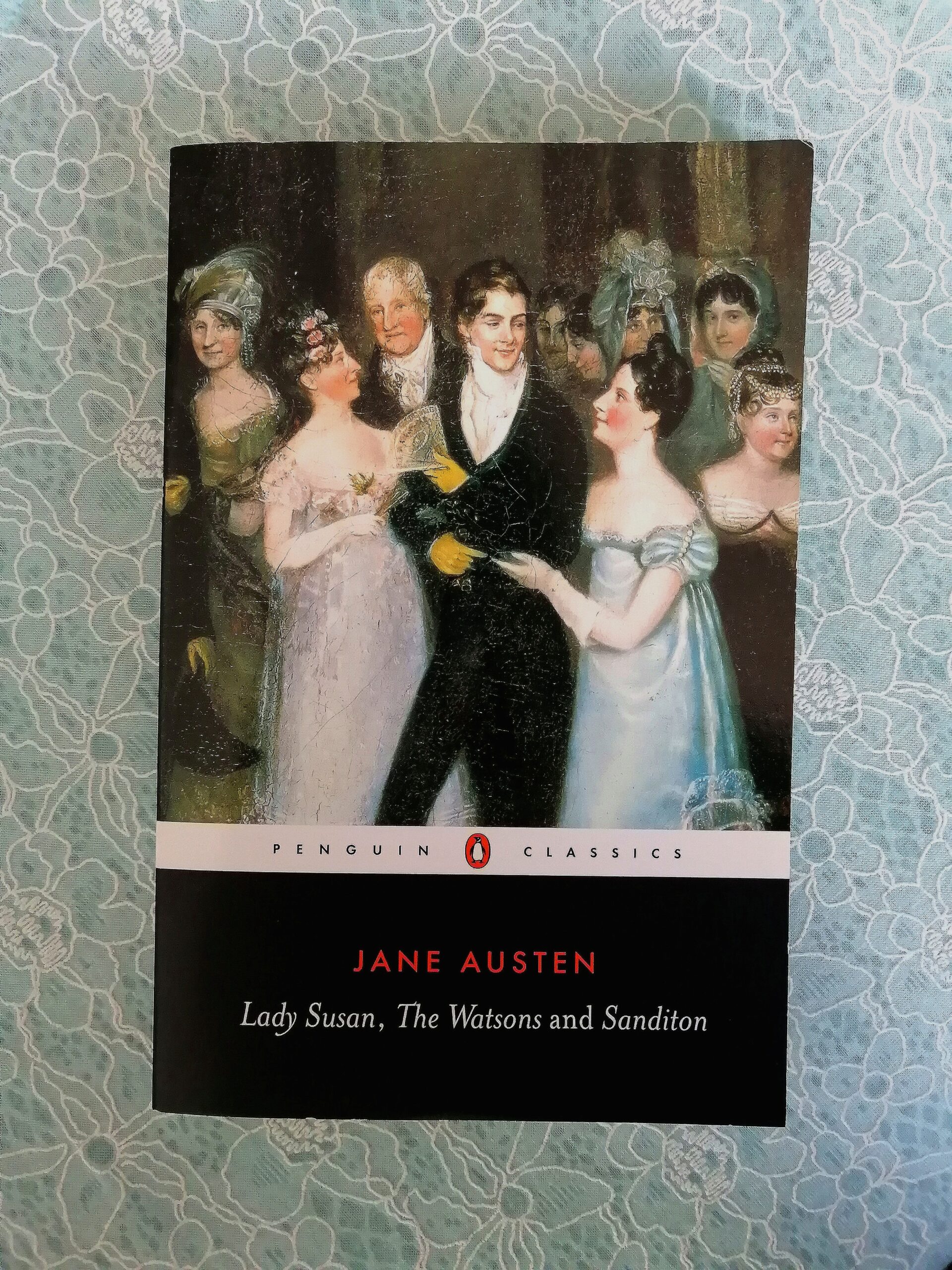
Nearly everyone knows about – even if they have not read – Jane Austen’s famous novels: Pride and Prejudice (1813), Sense and Sensibility (1811), Persuasion (1818), and
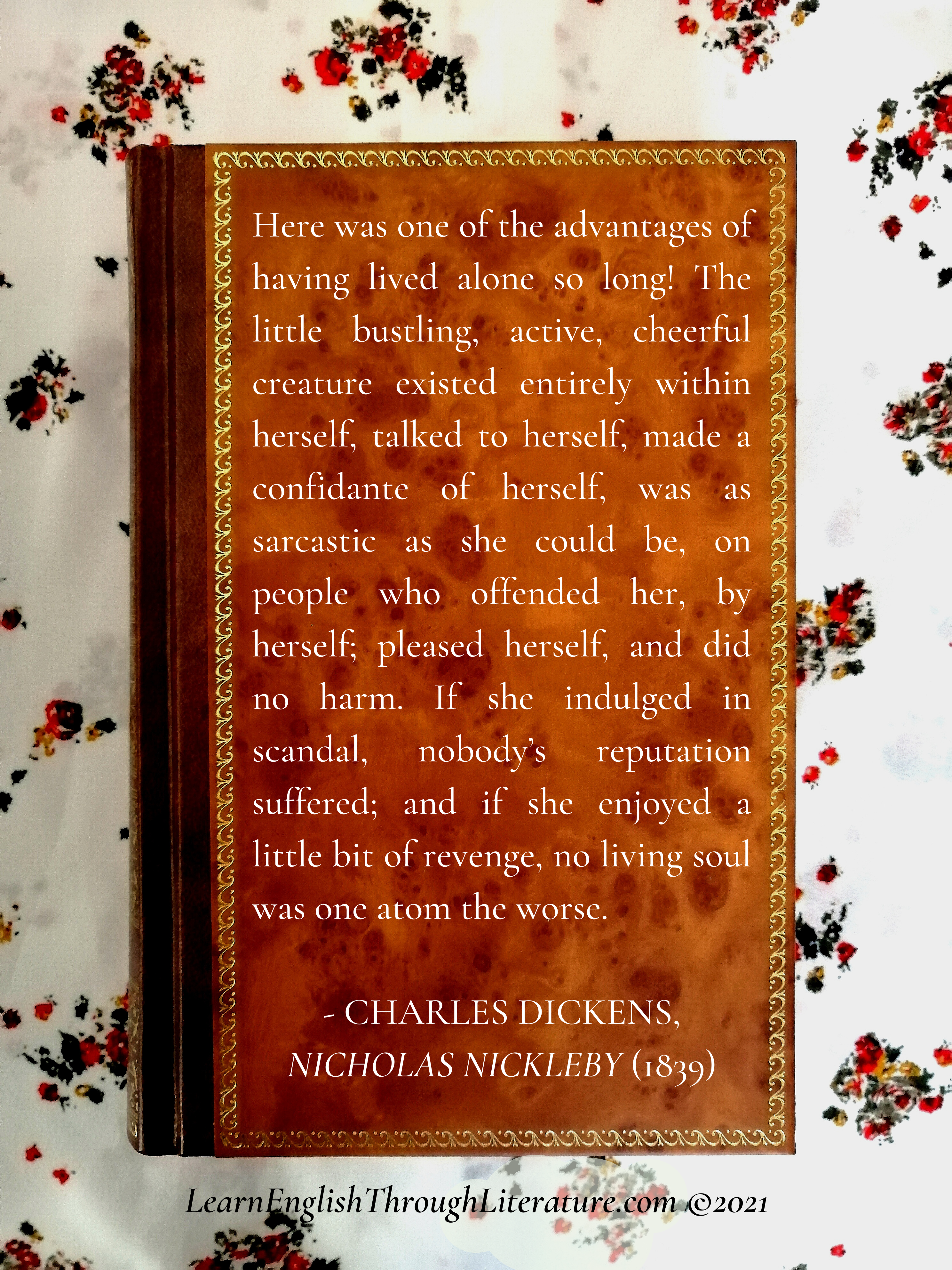
📙 Here was one of the advantages of having lived alone so long! The little bustling, active, cheerful creature existed entirely within herself, talked to
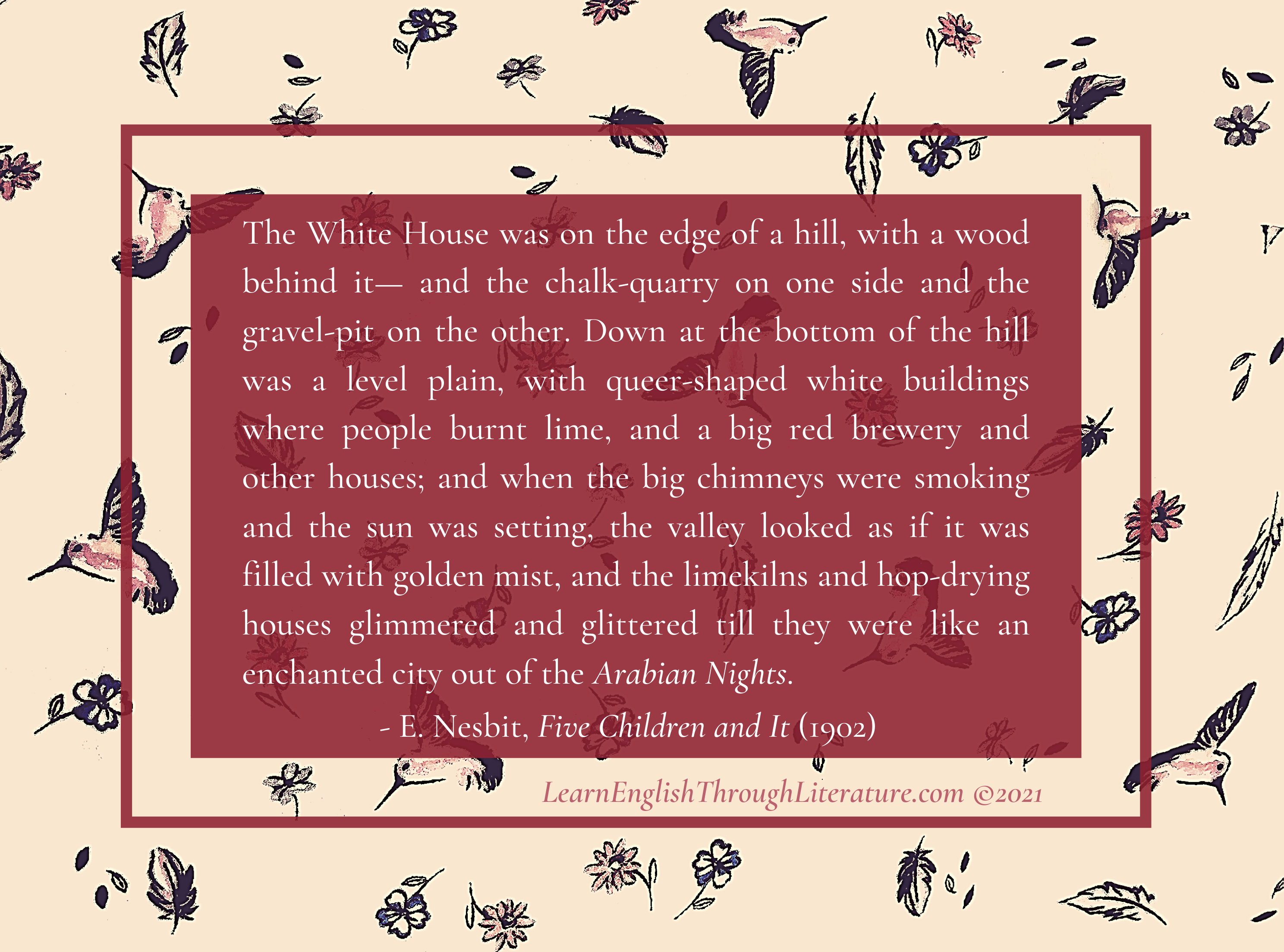
📙 The White House was on the edge of a hill, with a wood behind it— and the chalk-quarry on one side and the gravel-pit
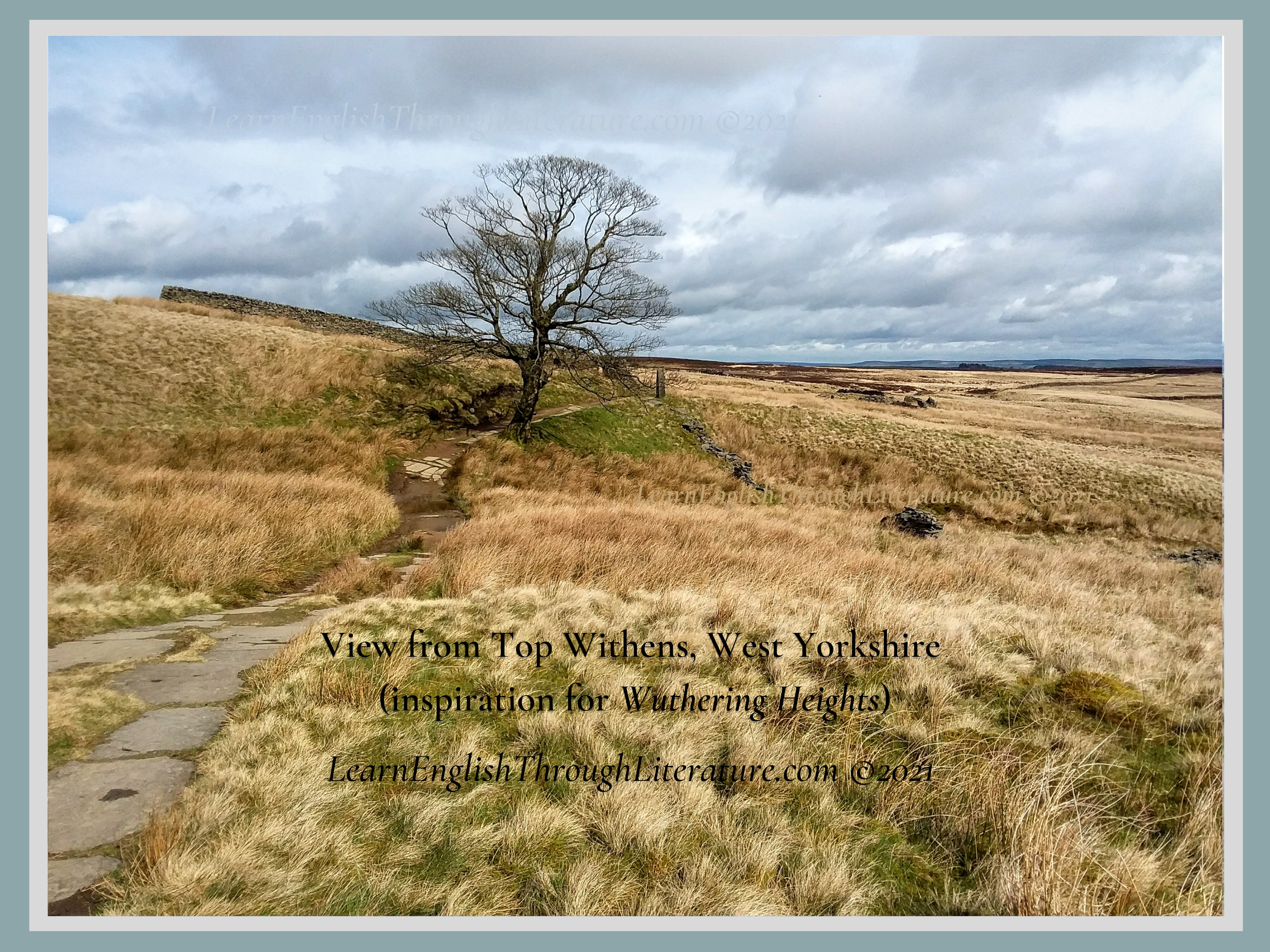
📗 ‘I cannot express it; but surely you and everybody have a notion that there is or should be an existence of yours beyond you.
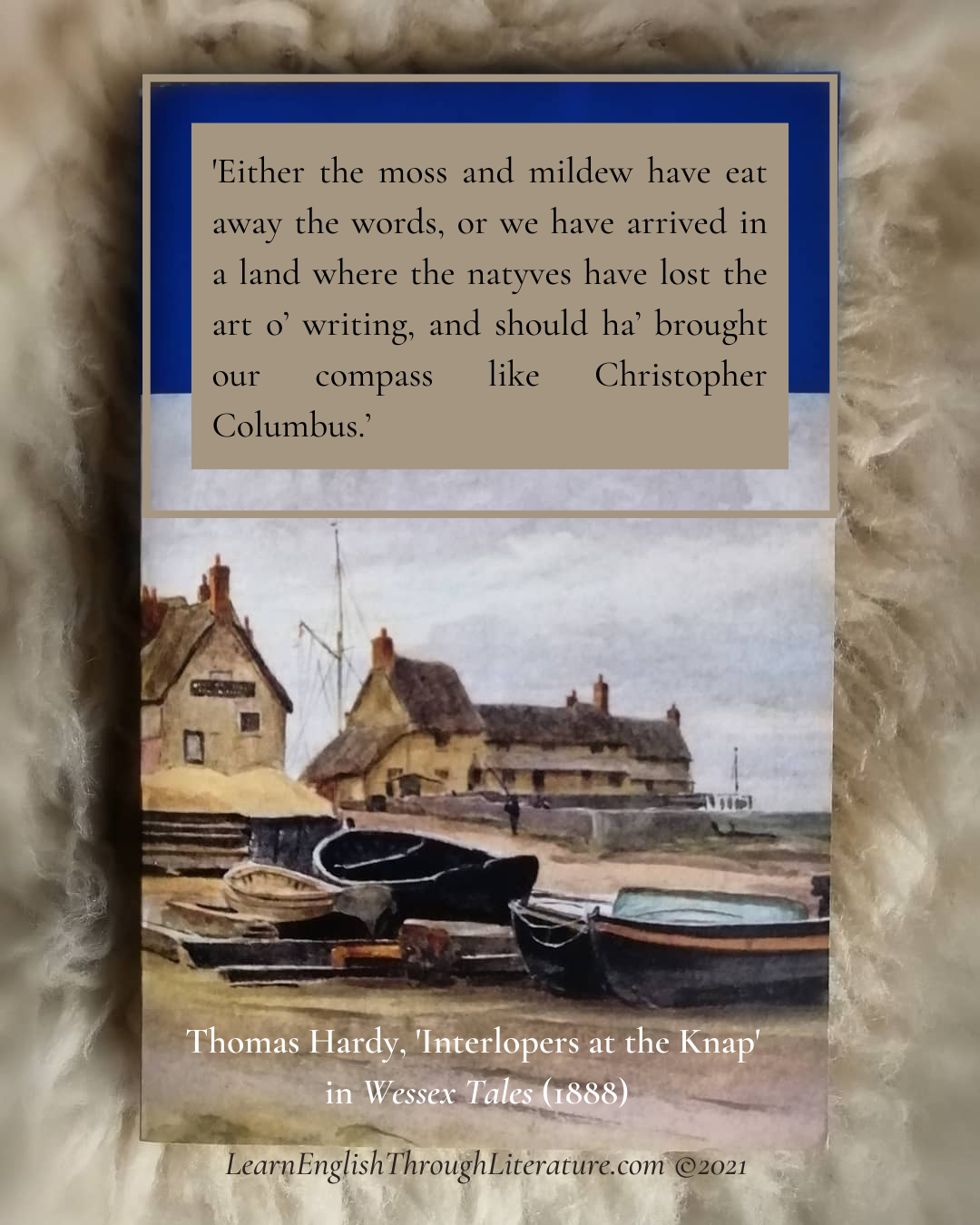
If you missed the first part of this lesson where we described the main functions of ‘either/or’, ‘neither/nor’, and ‘both’, you can check it out
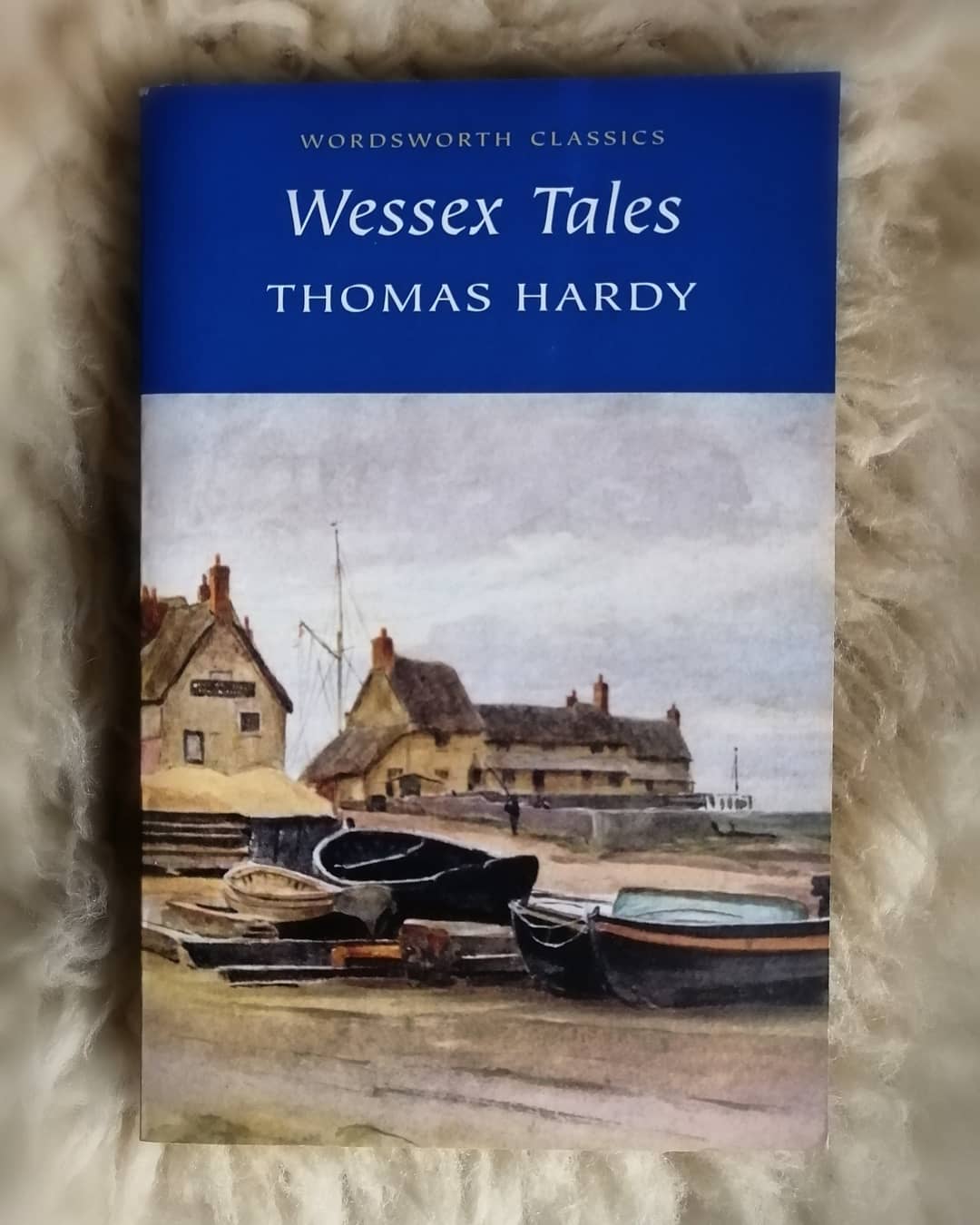
📘 ‘Lucy was never visible at these times, being either engaged in the school-room, or in taking an airing out of doors; but, knowing that
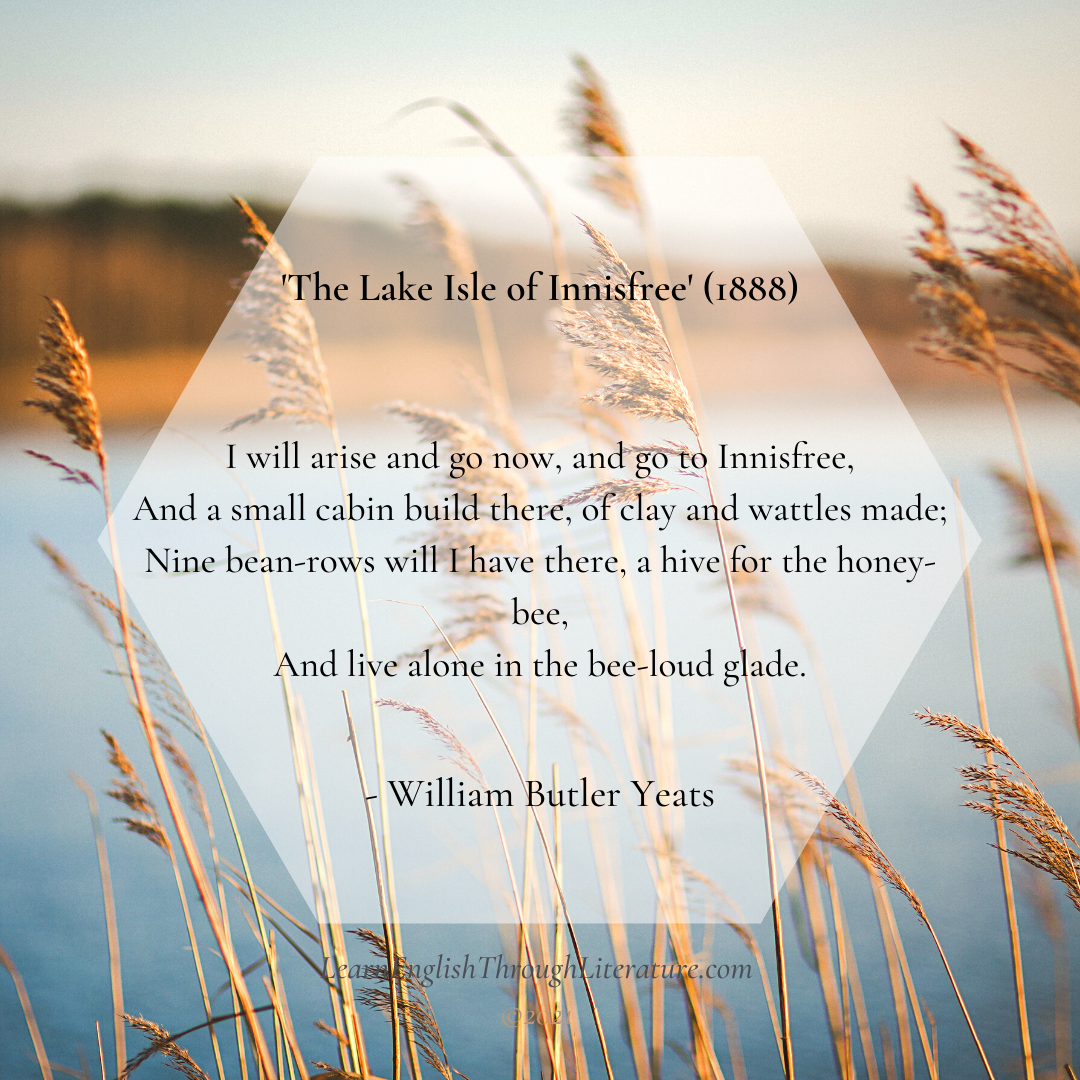
📜 I am sharing a poem today that I particularly like: ‘The Lake Isle of Innisfree’ by Irish poet William Butler Yeats (1865-1939). Yeats’ poem
📘 And so it came about, in the end, that Mr. Spenlow told me this day week was Dora’s birthday, and he would be glad
You cannot copy content of this page